




For years, brand growth followed a familiar formula: buy attention, optimize digital ads, and scale reach. It worked for a while, but then audiences started tuning out. Today, the average consumer is exposed to between 4,000 and 10,000 ads every day. Attention has become scarce, and traditional marketing is struggling to hold it. As a result, many companies across industries are shifting towards something far more durable: experience-led engagement.
This shift is part of what economists call the experience economy, a market expected to exceed $12 trillion globally by 2028. Instead of only selling products, brands are designing moments people want to participate in, like events, communities, and cultural gatherings, and shared experiences.
The data behind this shift is compelling. Research by EventTrack shows 91% of consumers report more positive perception of a brand after attending a live experience, while 85% say they are more likely to buy after participating in one. Another study by Freeman found 64% of event attendees share their experience online, turning physical engagement into organic digital reach. In other words, experiences do something advertising often cannot: they build trust through participation.
The shift is particularly visible among younger audiences. Studies show Gen Z consumers are significantly more responsive to brands that create authentic communities, not just marketing campaigns. Across industries, companies are responding. Apparel brands host pop-ups and community launches. Food brands host tastings, cultural gatherings, and culinary events. Technology companies are turning product launches into large-scale experiential moments. The objective is no longer just visibility, it is belonging.
Within Kings Global, this shift towards experience-led engagement is visible across several businesses. The group operates across industries ranging from food and fashion to research, aviation, experiential platforms, and consumer brands, each built around the idea that products alone rarely create lasting loyalty.
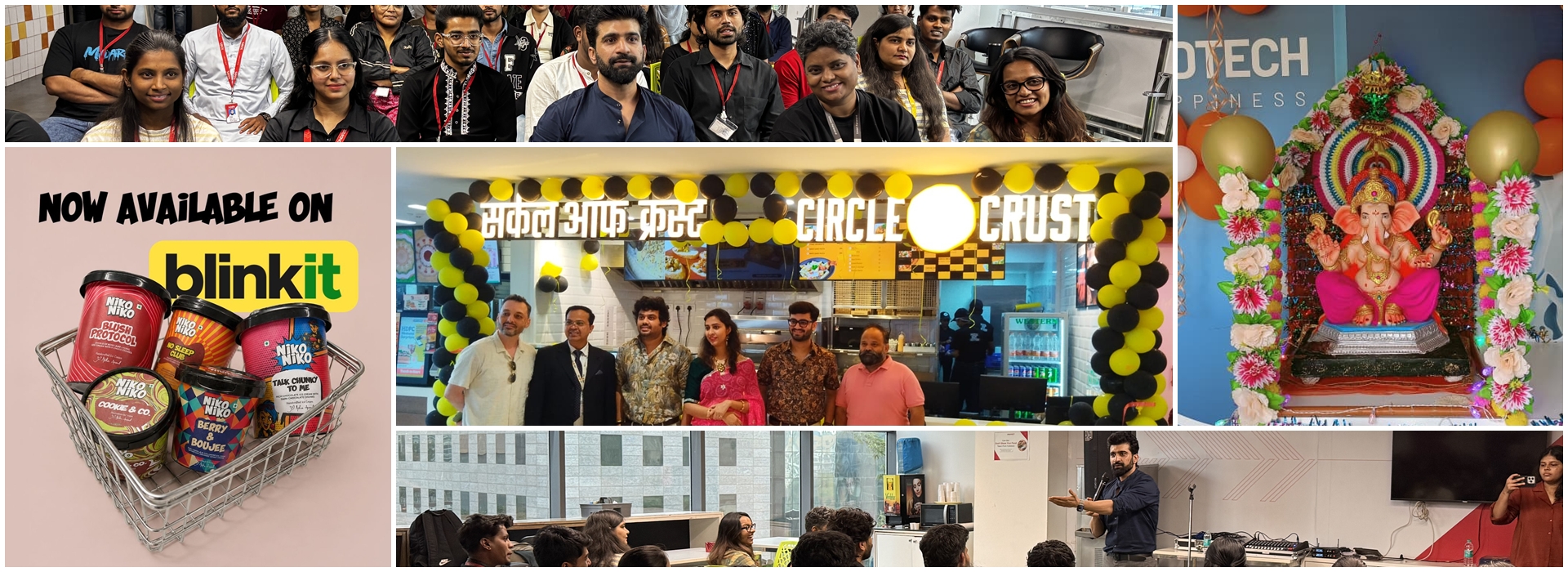
In the food and dessert category, brands such as Niko Niko, our premium ice cream and Fuji Cream, demonstrate how experience can shape consumer connection. Beyond simply selling ice cream, and other dairy products, these brands create environments where customers gather, taste, and share moments together. The retail experience becomes social: a place where friends meet, conversations happen, and the brand becomes part of everyday memories.
The same principle appears across the group’s broader ecosystem.
Meanwhile Kings Research, the group’s research and advisory platform, helps businesses understand how consumers behave in modern markets; emphasizing that trust, identity, and experience increasingly influence buying decisions more than price alone.
This integrated perspective matters because consumer behavior has fundamentally changed. According to PwC, 73% of global consumers say experience is a key factor in purchasing decisions, while McKinsey reports that brands delivering meaningful engagement grow 2-3 times faster than competitors relying only on traditional marketing.
For companies operating in crowded industries: from apparel and food to media and technology, this shift has real implications. The brands that win today are not simply the ones that advertise the most. They are the ones that create environments where people feel part of something. That could be a cultural event, a shared meal, a fashion community, or a gathering built around music or ideas.
Digital platforms will remain important, but increasingly they act as amplifiers rather than the core experience itself. The real connection happens elsewhere: where people meet, participate, and create memories. And in a marketplace where attention is fleeting, what people experience often matters more than what they’re told.